
Connecting Diabetes Patients with Vital Support
- Andrea Lynn
- 1 day ago
- 4 min read
Diabetes is a chronic condition that affects millions of people worldwide. Living with diabetes can be challenging, not just due to the physical aspects of managing blood sugar levels, but also because of the emotional and psychological toll it can take. Fortunately, there are numerous resources and support systems available to help individuals navigate their journey with diabetes. This post explores the importance of connecting diabetes patients with vital support, highlighting various avenues for assistance, community engagement, and the role of technology in enhancing patient care.

Understanding Diabetes and Its Challenges
Diabetes is primarily categorized into two types: Type 1 and Type 2. Type 1 diabetes is an autoimmune condition where the body does not produce insulin, while Type 2 diabetes is often related to lifestyle factors and insulin resistance. Regardless of the type, managing diabetes requires constant attention and care.
Common Challenges Faced by Diabetes Patients
Blood Sugar Management: Keeping blood sugar levels within a target range is crucial. This often involves regular monitoring, dietary adjustments, and medication management.
Emotional Strain: The daily demands of managing diabetes can lead to feelings of frustration, anxiety, and depression. Many patients feel isolated in their struggles.
Lifestyle Adjustments: Patients often need to make significant changes to their diet and exercise routines, which can be overwhelming.
Access to Information: With the abundance of information available, it can be difficult for patients to discern what is accurate and relevant to their situation.
The Importance of Support Networks
Support networks play a vital role in helping diabetes patients cope with their condition. These networks can include family, friends, healthcare professionals, and community groups. Here are some key benefits of having a strong support system:
Emotional Support
Having someone to talk to about the challenges of living with diabetes can alleviate feelings of isolation. Emotional support from peers who understand the journey can be incredibly comforting.
Practical Assistance
Support networks can provide practical help, such as reminders for medication, assistance with meal planning, or even accompanying patients to medical appointments.
Shared Knowledge
Connecting with others who have diabetes can lead to the sharing of valuable experiences and tips. This exchange of information can empower patients to make informed decisions about their health.
Community Resources for Diabetes Patients
Many communities offer resources specifically designed to support individuals with diabetes. Here are some examples of valuable resources:
Diabetes Support Groups
Support groups provide a safe space for individuals to share their experiences and learn from one another. These groups often meet regularly and can be found in local community centers, hospitals, or online.
Educational Workshops
Workshops focused on diabetes management can help patients learn about nutrition, exercise, and self-care strategies. These sessions often feature healthcare professionals who can provide expert advice.
Local Health Organizations
Organizations such as the American Diabetes Association offer a wealth of resources, including educational materials, advocacy efforts, and local events aimed at raising awareness about diabetes.
The Role of Technology in Diabetes Management
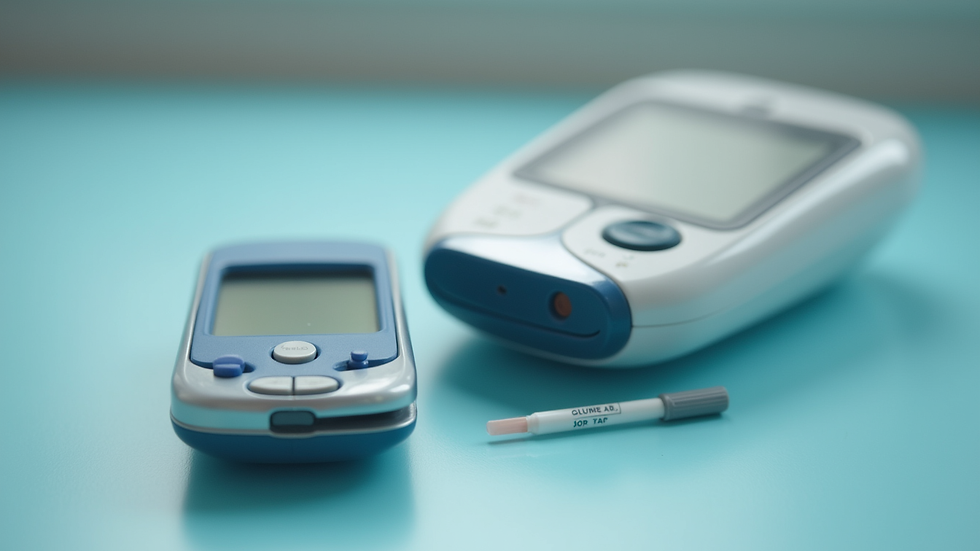
Technology has revolutionized the way diabetes is managed. From continuous glucose monitors to mobile apps, there are numerous tools available to help patients stay on track.
Continuous Glucose Monitoring (CGM)
CGMs provide real-time data on blood sugar levels, allowing patients to make informed decisions about their diet and insulin use. This technology can significantly reduce the burden of constant monitoring.
Diabetes Management Apps
Mobile apps can help patients track their food intake, exercise, and blood sugar levels. Many apps also offer educational resources and community forums for support.
Telehealth Services
Telehealth has become increasingly popular, especially in recent years. Patients can consult with healthcare professionals from the comfort of their homes, making it easier to access care and support.
Building a Personalized Support System
Creating a personalized support system is essential for effective diabetes management. Here are some steps to consider:
Identify Your Needs
Take time to reflect on what aspects of your diabetes management you find most challenging. This could be emotional support, practical assistance, or educational resources.
Reach Out to Family and Friends
Communicate your needs to those close to you. Let them know how they can support you, whether it’s by attending appointments with you or simply being there to listen.
Explore Local Resources
Research local support groups, workshops, and health organizations. Connecting with these resources can provide you with additional support and knowledge.
Utilize Technology
Consider incorporating technology into your diabetes management routine. Explore CGMs, apps, and telehealth options to find what works best for you.
Success Stories: Real-Life Examples
Hearing from others who have successfully navigated their diabetes journey can be inspiring. Here are a few success stories that highlight the importance of support:
Sarah's Journey
Sarah was diagnosed with Type 1 diabetes at the age of 12. Initially, she struggled with the emotional aspects of her diagnosis. However, after joining a local support group, she found a community of individuals who understood her challenges. Through shared experiences, Sarah learned valuable coping strategies and felt empowered to take control of her health.
Mark's Transformation
Mark, a Type 2 diabetes patient, faced significant lifestyle changes after his diagnosis. With the help of a diabetes management app, he began tracking his meals and exercise. He also joined an online community where he connected with others facing similar challenges. Over time, Mark lost weight, improved his blood sugar levels, and gained confidence in managing his condition.
Conclusion: Taking the Next Step
Connecting diabetes patients with vital support is essential for effective management of the condition. By leveraging community resources, technology, and personal support networks, individuals can navigate the challenges of diabetes more effectively. Remember, you are not alone in this journey. Seek out the support you need, whether it’s through local groups, online communities, or healthcare professionals.
As you take the next step in your diabetes management, consider reaching out to someone who can help. Whether it’s a friend, family member, or a support group, building a strong support system can make all the difference in your journey towards better health.

Comments